
Our Stories
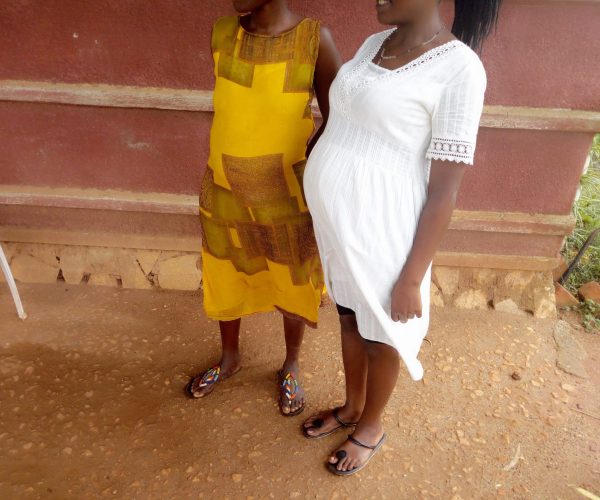
A mother whose baby was safely delivered via C-section. Instead of support, she faced harsh judgment:
“They say I failed to be a real mother because I didn’t push,” she said.
The stigma was so painful that during her subsequent pregnancy, Kyomuhendo chose to avoid the hospital entirely—endangering both herself and her baby.
In many Ugandan communities, C-sections are wrongly seen as a sign of weakness or divine punishment. Women who undergo them are often ridiculed or ostracized. This stigma can:
Delay critical medical decisions, Deter hospital births,Drive women toward unsafe traditional practices
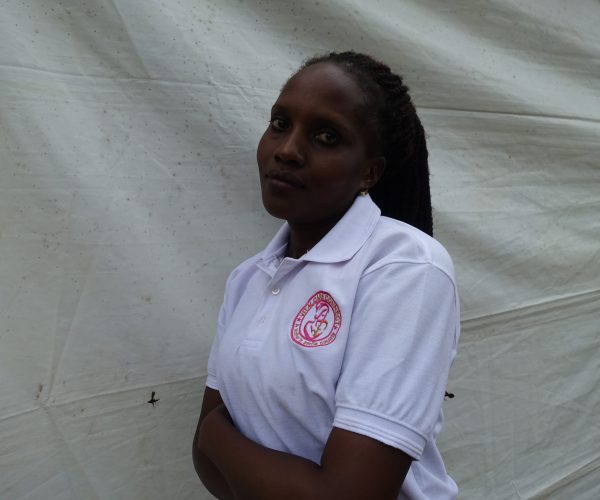
Though her doctor recommended exercises and possible surgical intervention to ensure a safe delivery, Doreen’s mother-in-law insisted the problem was spiritual. Fearing for her child, Doreen stopped attending clinic visits and sought help from a traditional healer instead.
When labor came, the delay in medical care proved fatal. Her baby did not survive, and Doreen required emergency surgery to save her own life.
Today, Doreen serves as a women’s coordinator, educating mothers in her community about the importance of antenatal care, trusting qualified health professionals, and making informed choices that prioritize both cultural respect and evidence-based medicine.
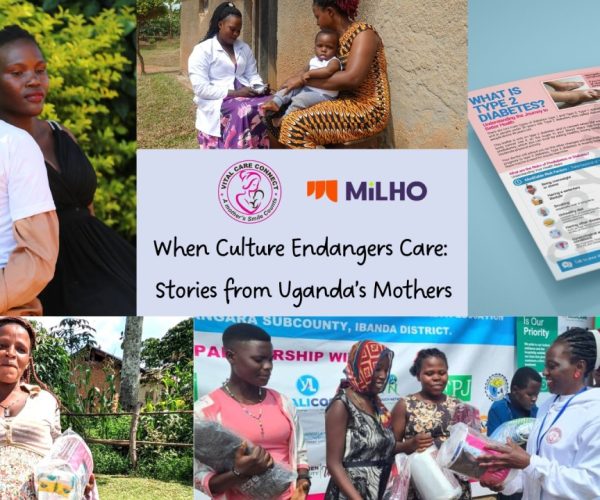
Every day, mothers in rural Uganda face life-threatening barriers on their journey through pregnancy and childbirth. At Vital Care Connect, these aren’t just statistics—they are lived realities we encounter in villages, on dusty roads, and inside homes where healthcare has long been out of reach.
Behind every statistic is a woman walking miles under the hot sun for a check-up she may never reach, a mother giving birth without skilled support, or a newborn fighting for life because basic supplies were out of reach. These are the realities that shape our mission daily.
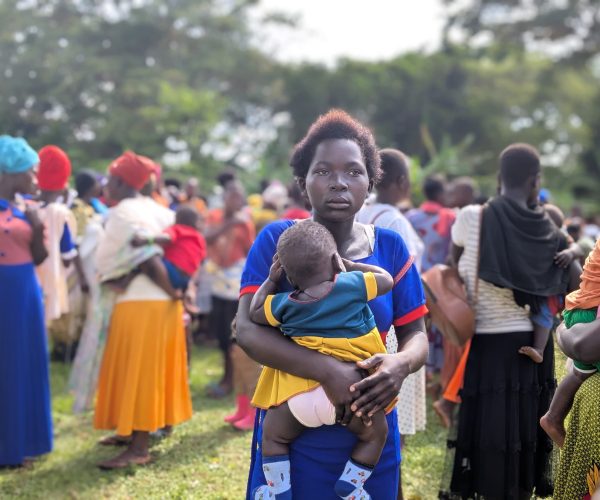
A Ugandan Mother’s Near-Fatal Brush with Tradition
Every day, mothers in rural Uganda face life-threatening barriers on their journey through pregnancy and childbirth. At Vital Care Connect, these aren’t just statistics—they are lived realities we encounter in villages, on dusty roads, and inside homes where healthcare has long been out of reach.
Behind every statistic is a woman walking miles under the hot sun for a check-up she may never reach, a mother giving birth without skilled support, or a newborn fighting for life because basic supplies were out of reach. These are the realities that shape our mission daily.
Why These Stories Matter
Because behind every story is a life, and behind every life is a mother who deserves care, safety, and dignity.

Ready to Change Lives?
If you are passionate about community development and making a difference in the lives o the impoverished women and girls